BMW E90 (2005–2013) — History, Engines, Weak Points, Fuel Consumption
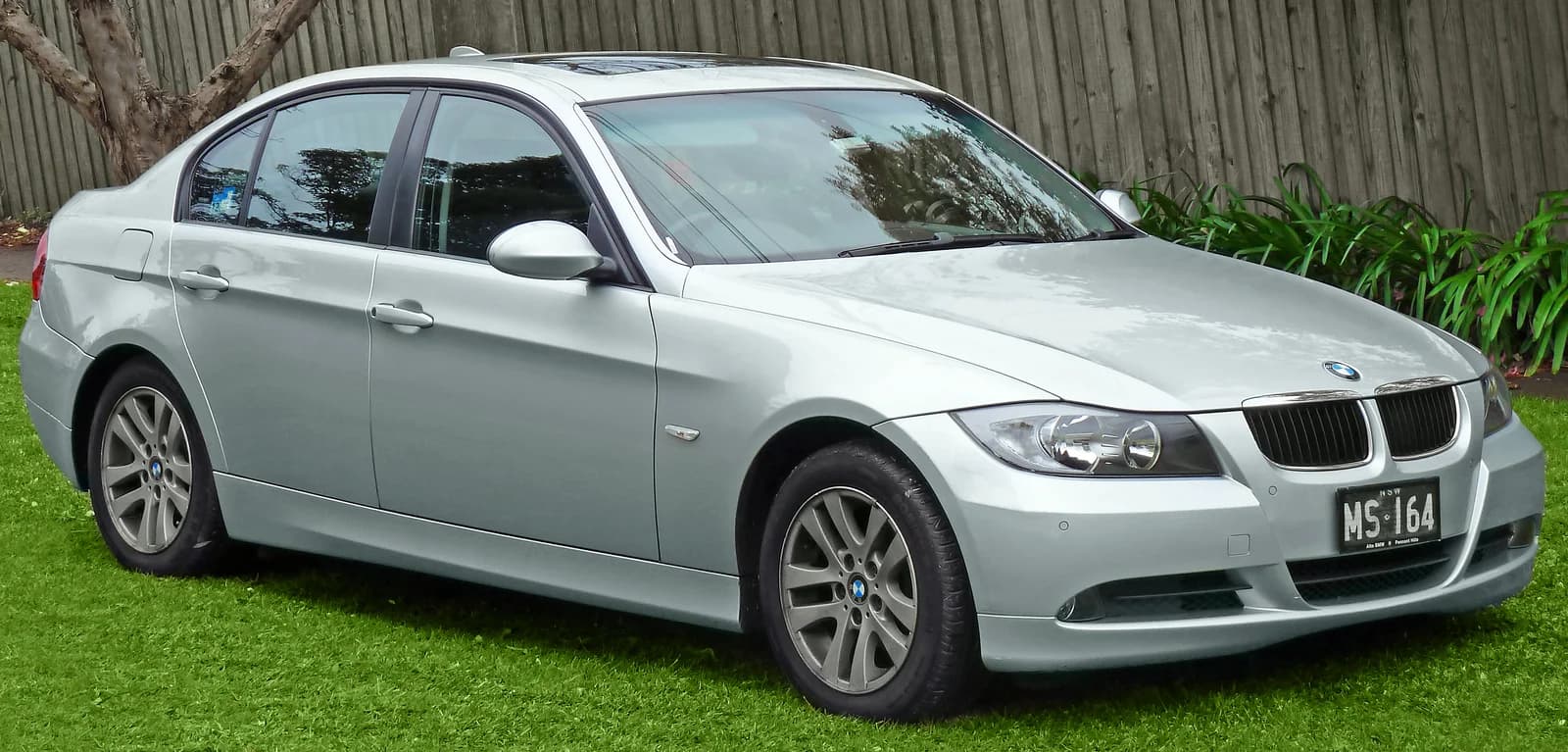
The BMW E90 is the fifth generation of the 3 Series (after the E21, E30, E36, and E46), produced from 2005 to 2013. It returned to sportier proportions after the E46's more conservative evolution, and this is the generation where a V8 first appeared on the 3 Series — on the M3. Here's a breakdown of the engines, the real issues, and what's worth checking before buying.
History
The E90 replaced the E46 in 2005, as a sedan. The E91 wagon also arrived in 2005, the E92 coupe in 2006, and the E93 folding hardtop convertible in 2007. The coupe and convertible formally received their own chassis codes, but in everyday use the whole generation is commonly called E90.
The BMW M3 E90/E92 debuted in 2007 with the S65 engine — a naturally aspirated 4.0L V8 with an 8,400 rpm redline. It's the only V8 ever fitted to a production M3, and one of the highest-revving naturally aspirated engines BMW has ever built.
E90 production ended in 2013 with the transition to the F30.
Engines
Petrol:
- N43 / N45 / N46 — four-cylinder engines on 318i/320i.
- N52 — inline-six on 325i/328i/330i, with a magnesium-aluminum alloy block, generally one of the most reliable engine lines of this period.
- N54 — the same turbo six as on the E60 535i, on the 335i — with the same strengths and the same well-known issues.
Diesel:
- N47 — four-cylinder diesel on 318d/320d, with the same timing chain position quirk found on the later F10.
- M57 — inline-six diesel, on 330d/335d.
M3:
- S65 — naturally aspirated 4.0L V8, 414 hp, 8,400 rpm redline. The only V8 in M3 history.
Weak Points
- N54 (335i): high-pressure fuel pump and injectors. The same well-known issue as on the E60 535i — worth checking service history or whether updated components have been fitted.
- N47 (diesel): timing chain position. The chain sitting on the transmission side makes replacement an expensive job — when buying a diesel version, this is the first thing to clarify.
- N52: VANOS solenoids and valve cover gasket. A generally reliable engine, but these components need attention at higher mileage.
- Electric water pump. Like other BMWs of this period, needs periodic replacement.
- S65 (M3): rod bearing wear. A serious, well-known issue that BMW extended the warranty to cover. This is the first thing to check before buying an E90/E92/E93 M3 — ideally with an actual bearing-condition inspection, not just confirmation that service history exists.
- S65: electronic throttle bodies. As with the S85, the actuators can fail over time.
Fuel Consumption
| Engine | Model | Consumption, L/100km |
|---|---|---|
| N43/N46 (4-cyl) | 318i / 320i | ~7–8 |
| N52 (6-cyl) | 325i / 328i / 330i | ~9–10 |
| N54 (turbo) | 335i | ~10–11 |
| N47 (diesel) | 318d / 320d | ~5–6 |
| M57 (diesel) | 330d | ~6–7 |
| S65 | M3 | ~13–15 |
Owner Feedback
The E90 is praised for returning to more compact, sportier proportions after the more restrained E46, and the 335i with the N54 engine became a cult favorite in the tuning community thanks to its huge potential for forced-induction upgrades. Diesel versions (318d/320d) are considered among the most balanced in their class for consumption versus dynamics — especially popular in Europe as a daily driver. M3 (S65 V8) owners near-universally call it one of the most characterful naturally aspirated engines BMW has ever built — for its sound and high-rev responsiveness — but nearly every source converges on the same point: a rod bearing inspection is mandatory before buying, and it's the top item on the checklist for a buyer of this M3 generation.
Photos
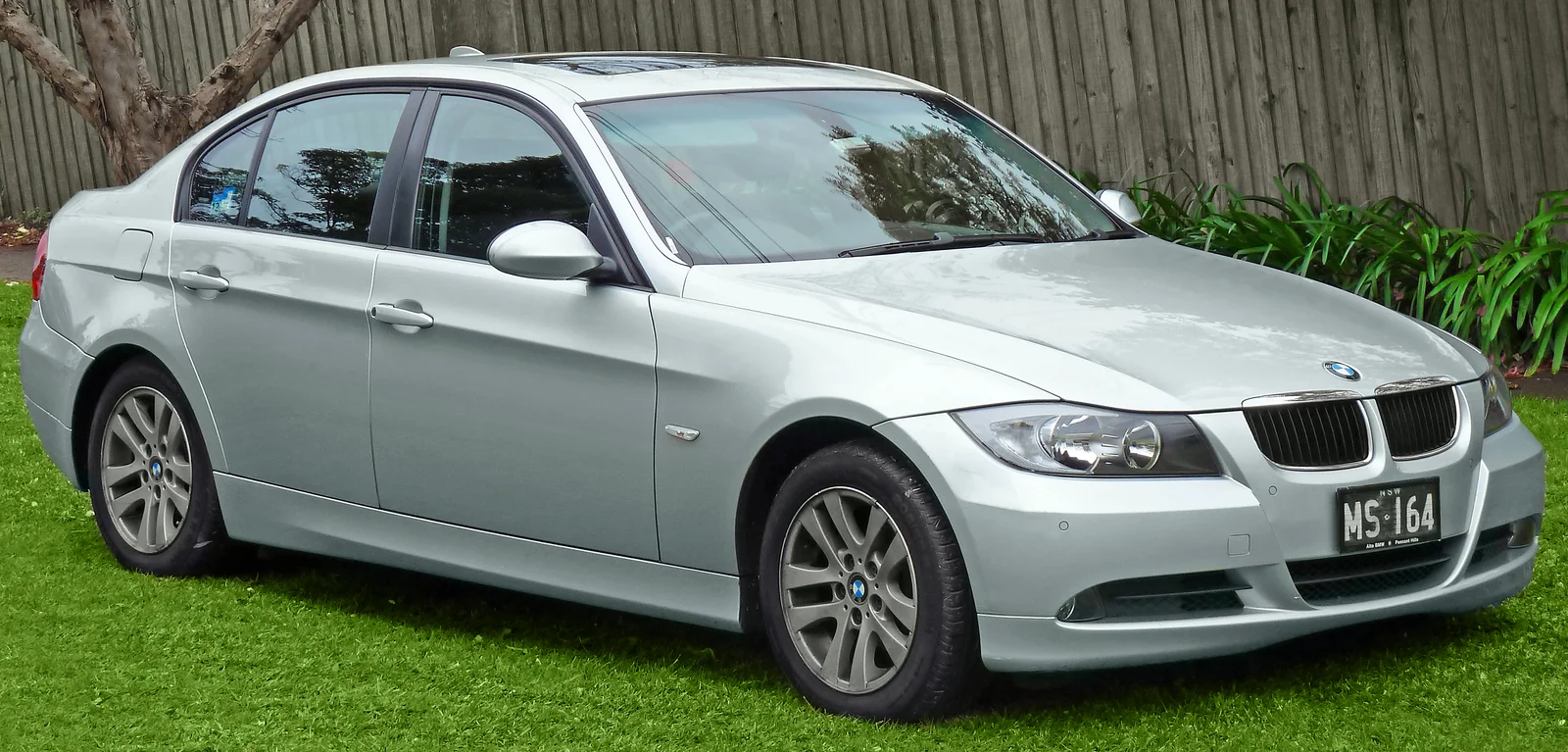
Photo: Wikimedia Commons (public domain).
Other models
Found your model?
Join the club