BMW E30 (1982–1994) — History, Engines, Weak Points, Fuel Consumption
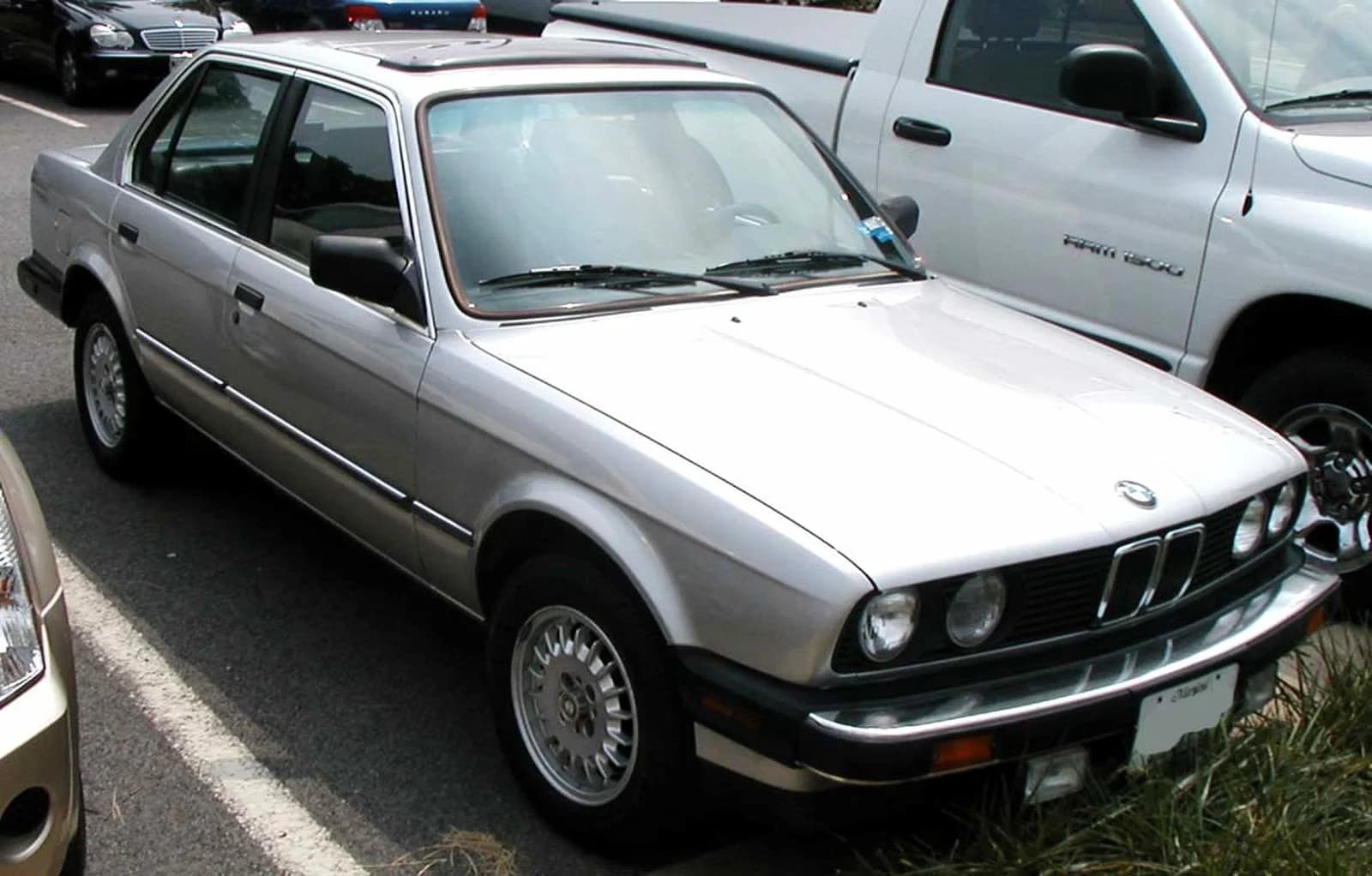
The BMW E30 is the second generation of the 3 Series (after the E21), produced from 1982 to 1994. For many, this is where the real BMW cult begins: a light body, a direct mechanical connection to the road, and rear-wheel-drive purity without a hint of electronic assistance. Today it's a full-fledged classic car — and one that needs to be bought with its age firmly in mind.
History
The E30 replaced the E21 in 1982, initially as a two-door sedan, with the four-door version arriving in 1983. The convertible was added in 1985–1986, and the Touring wagon in 1988. Baur TC versions also existed — targa-top conversions from a third-party coachbuilder, never officially part of BMW's own lineup.
The BMW M3 E30 debuted in 1986 — a homologation special for Group A touring car racing, powered by the high-revving four-cylinder S14. The E30 M3 became one of the most successful racing cars of its era, winning numerous national and international championships, including the DTM.
E30 production ended in 1994 with the transition to the E36. Thanks to its mechanical simplicity and a huge enthusiast community, the E30 remains one of the most recognizable classic BMWs.
Engines
Petrol:
- M10 — inline-four on early 316/318i, initially carbureted, later fuel-injected. A simple, easily-repaired engine from the previous generation.
- M40 — replaced the M10 on 316i/318i from around 1988, with a more modern fuel system.
- M20 — inline-six on 320i/323i/325i/325e. One of the most recognizable engines of the era, very durable with proper care.
Diesel:
- M21 — six-cylinder diesel on 324d/324td.
M3:
- S14 — a high-revving four-cylinder, 16-valve engine (2.3L, later 2.5L in the Evo version), 192–238 hp depending on variant. A homologation engine built for circuit racing, one of the most characterful in M division history.
Weak Points
The main thing to watch for when buying an E30 today is the car's age:
- Rust. The E30's most serious issue on the used market. Sills, wheel arches, front subframe and chassis mounting points, and the battery tray are all prone to corrosion. A thorough body inspection, ideally on a lift, is essential before buying.
- Timing chain guides (M20). The plastic guide rails can wear and break, leading to chain damage. Regular preventive replacement reduces the risk.
- Clutch hydraulics. Wears with age and needs servicing.
- Wiring and grounds. As with many BMWs of this age, corroded contacts and grounding issues are common.
- S14 (M3): valve stem seals. Wear over time, showing up as blue smoke on cold start. The cooling system is also worth attention.
Fuel Consumption
Average combined-cycle figures — on a real car of this age, consumption depends heavily on engine condition and carburetor/injection tuning:
| Engine | Model | Consumption, L/100km |
|---|---|---|
| M10 (4-cyl) | 316 / 318i | ~8–9 |
| M20 (6-cyl) | 325i | ~10–11 |
| M21 (diesel) | 324td | ~7–8 |
| S14 | M3 | ~11–13 |
Owner Feedback
Recurring themes from reviews and enthusiast forums, without quoting specific owners:
The E30 is almost universally called the most "analog" and lightest of all 3 Series generations — unassisted steering (on many versions) and minimal electronics give a sense of direct road connection that's hard to find in modern cars. Owners consistently warn that body condition, not engine condition, is what matters most at purchase — rust remains the deciding factor for a given car's price and condition. The E30 M3 is singled out for its racing pedigree and the character of the S14 engine — many describe it as one of the most "honest" engines BMW has ever built. Parts availability and enthusiast community support remain surprisingly good for a car of this age.
Photos
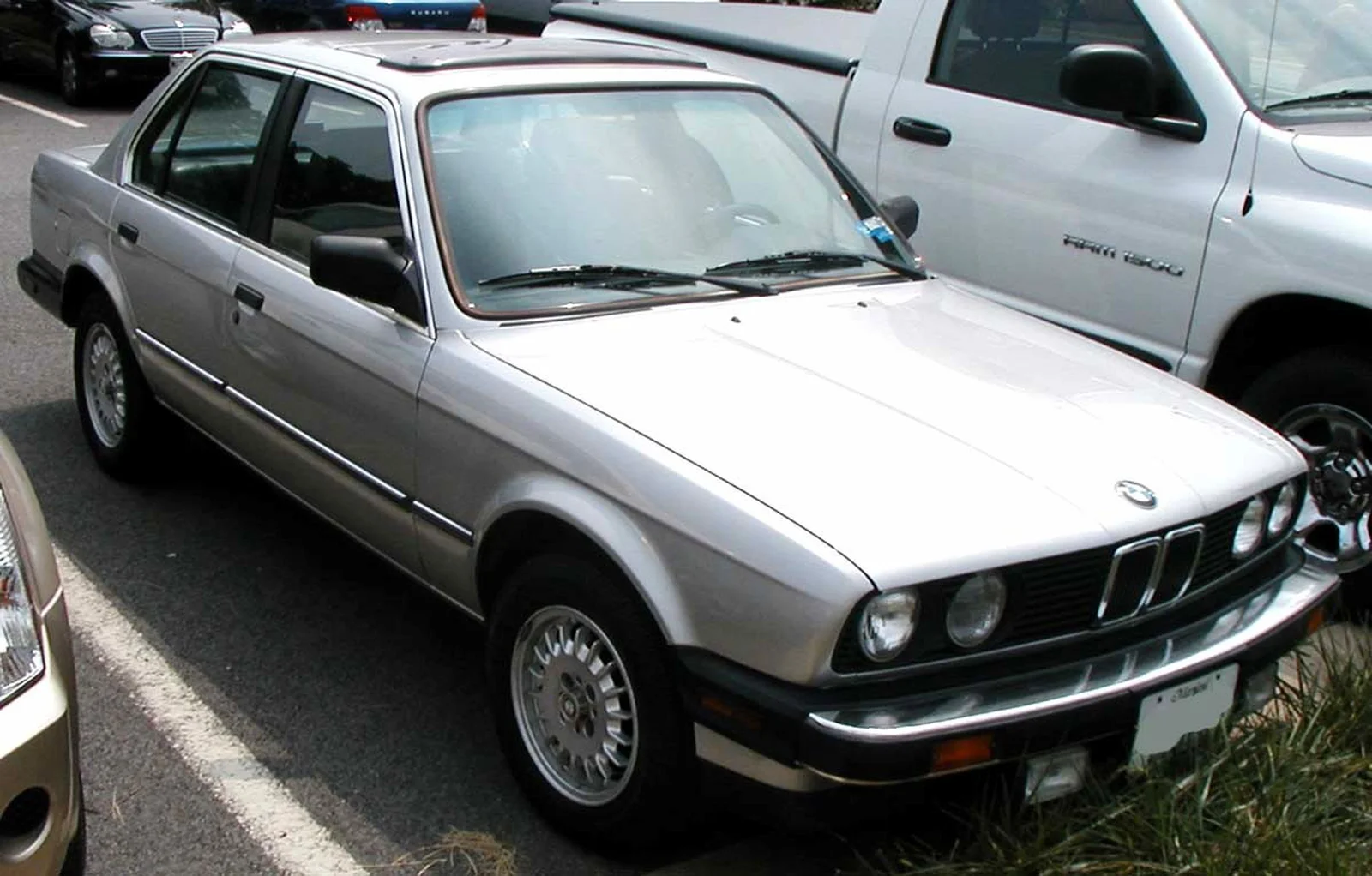
Photo: Wikimedia Commons (public domain).
Other models
Found your model?
Join the club