BMW E46 (1998–2006) — History, Engines, Weak Points, Fuel Consumption
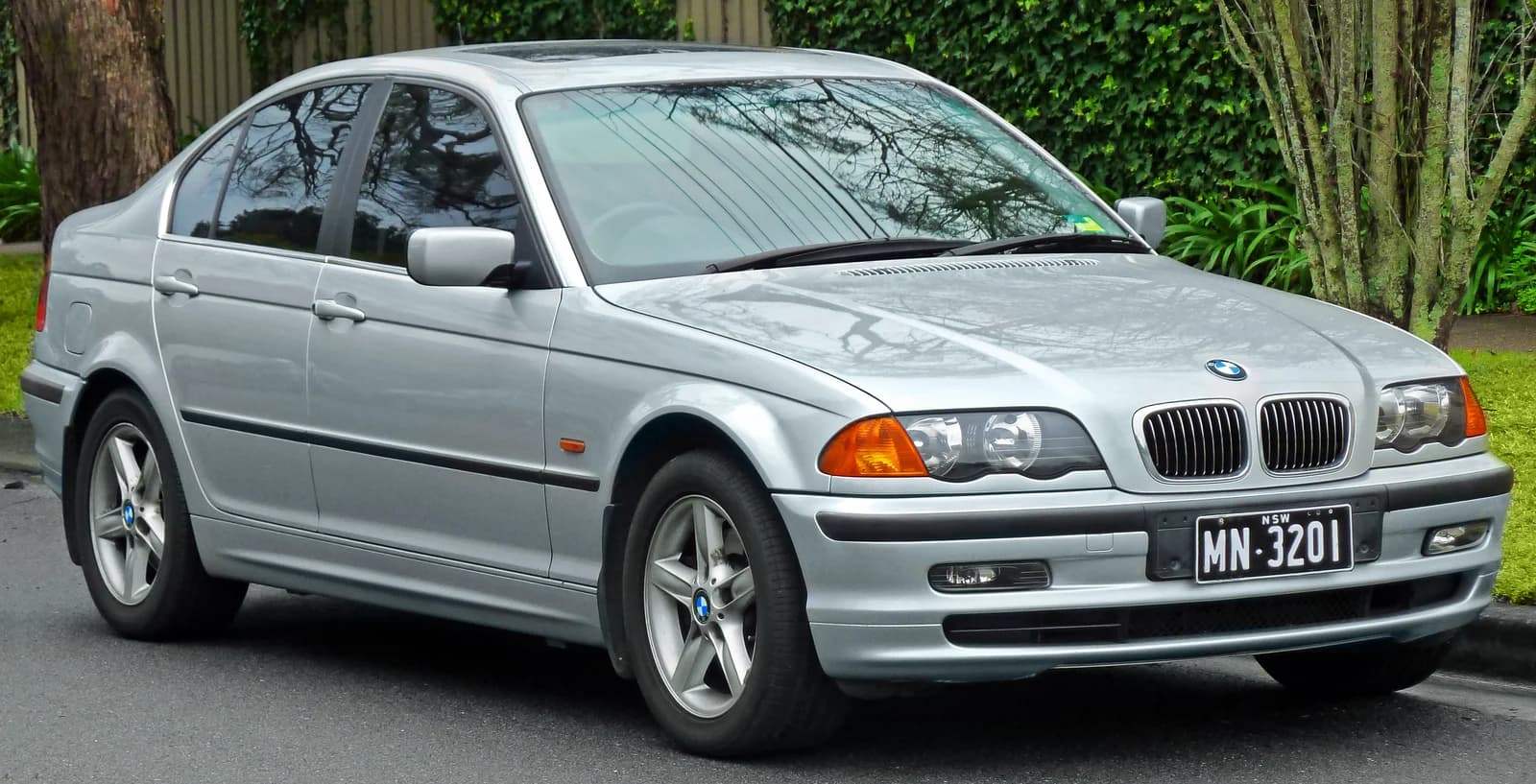
The BMW E46 is the fourth generation of the 3 Series (after the E21, E30, and E36), produced from 1998 to 2006. For many enthusiasts, it remains the benchmark for "the perfect BMW": precise mechanicals, an honest balance between comfort and driving enjoyment, and — not least — an affordable entry point into six-cylinder BMWs today. Here's the generation broken down factually, with real numbers and known issues rather than marketing copy.
History
The E46 replaced the E36 in 1998, launching as a four-door sedan. Over the following three years the lineup expanded: the wagon (Touring) and coupe arrived in 1999, the convertible in 2000, and the three-door Compact hatchback in 2001. The coupe and convertible technically received their own chassis codes (E46/2 and E46/2C), though in everyday use they're almost always just called E46.
The model received a facelift (LCI) in 2001–2002, updating the headlights, taillights, and parts of the interior. The BMW M3 E46 debuted in 2000 with the naturally aspirated S54 engine — widely considered one of the best naturally aspirated engines in M division history. In 2003, the lightweight M3 CSL arrived, with carbon body panels and a significantly stripped-down options list to cut weight.
E46 production ended in 2006 with the transition to the E90 — but thanks to huge production numbers and relatively affordable maintenance, it remains one of the most common BMWs on the used market today.
Engines
Petrol:
- M43 — inline-four, early pre-facelift 316i/318i. Simple and low-maintenance, but a lower-output engine from the previous generation.
- M52 / M52TU — inline-six, 2.0–2.8L, on 320i/323i/328i. The M52TU (from 2000) added VANOS on both camshafts and a cleaner fuel system.
- M54 — an evolution of the M52TU (2000–2006), fitted to 320i/325i/330i. One of the most reliable inline-six engines BMW has built, given timely maintenance.
- N42 / N46 — smaller four-cylinder engines with Valvetronic, on later 316i/318i/320i.
Diesel:
- M47 — four-cylinder diesel, on 318d/320d.
- M57 — inline-six diesel, on 330d/330xd, torquey and popular across Europe.
M3:
- S54 — naturally aspirated inline-six, 3.2L, 343 hp, redline around 8,000 rpm. One of the most emotive engines ever fitted to a production BMW.
Weak Points
This list reflects the consensus among owners and independent BMW specialists — if you're considering buying an E46, check these first:
- M52TU/M54 cooling system. The plastic radiator, expansion tank, and water pump impeller tend to fail around 100,000–150,000 km. This is the most common cause of overheating on the used market — budget for a preventive replacement of the whole cooling circuit at purchase.
- VANOS. The seals in the variable valve timing system wear out over time, showing up as cold-start rattling and flat spots in power delivery. Repairable, but worth checking closely without service history.
- Rear subframe cracking. A well-known E46 chassis issue, especially on high-mileage or track-driven cars — the rear subframe mounting points can crack. Reinforcement plates are a standard aftermarket fix.
- S54 (M3): rod bearing wear. Less common than the issues above, but worth requesting oil-change history and, if possible, a diagnostic check when buying an M3.
- M47/M57 diesels: intake swirl flaps. A typical issue on BMW diesels of this era — the flaps can work loose and drop into the cylinder.
- Window regulators and minor electrics. Not critical, but common on higher-mileage cars.
Fuel Consumption
Average combined-cycle figures — expect 1–2 L/100km more in real-world driving, especially in winter city traffic:
| Engine | Model | Consumption, L/100km |
|---|---|---|
| N42 (4-cyl) | 318i | ~7–8 |
| M52TU/M54 (6-cyl) | 320i / 323i | ~9–10 |
| M54 (6-cyl) | 330i | ~10–11 |
| M47 (diesel) | 320d | ~6–7 |
| M57 (diesel) | 330d | ~7–8 |
| S54 | M3 | ~12–14 (spirited driving — noticeably more) |
Owner Feedback
We don't quote specific owners here — instead, these are the themes that come up most consistently across reviews and enthusiast forums:
The chassis balance and steering feedback draw near-universal praise — even two decades on, the E46 remains a benchmark for many in its class. Owners of six-cylinder versions (M52TU/M54) frequently note how smooth and long-lived the engines are with regular maintenance — it's one of the few engines of its era that comfortably clears 300,000+ km without a rebuild. On the downside, the most common advice is to stay proactive about the cooling system rather than waiting for it to fail, and to inspect the rear subframe before buying an older example. M3 owners near-universally describe the S54 as one of the most characterful naturally aspirated engines BMW has ever built. Diesel versions are valued for economy and torque, though at high mileage the intake tract and turbo are worth attention.
Photos
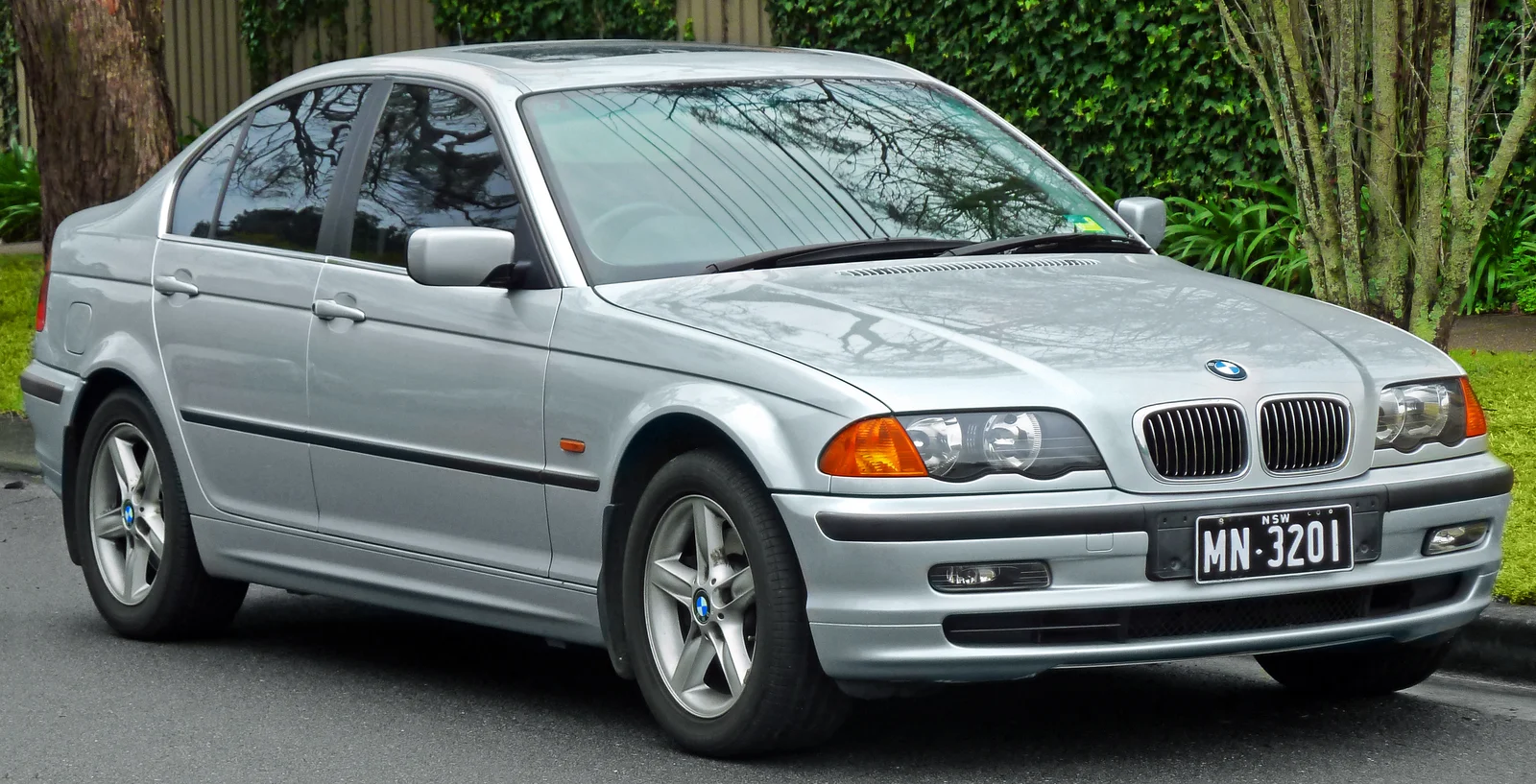
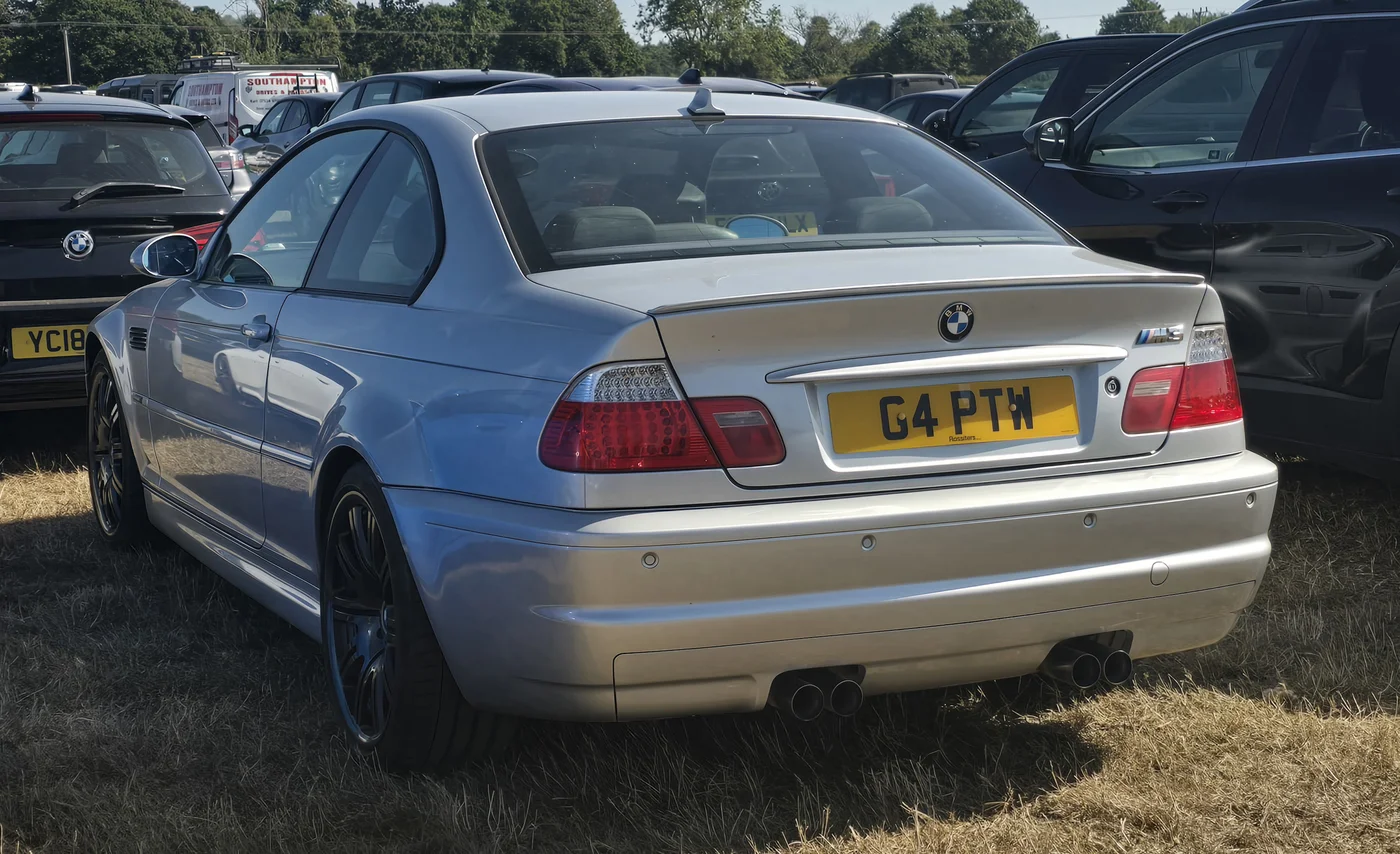
Photos: Wikimedia Commons (public domain and CC BY-SA 4.0).
Other models
Found your model?
Join the club