BMW E60 (2003–2010) — History, Engines, Weak Points, Fuel Consumption
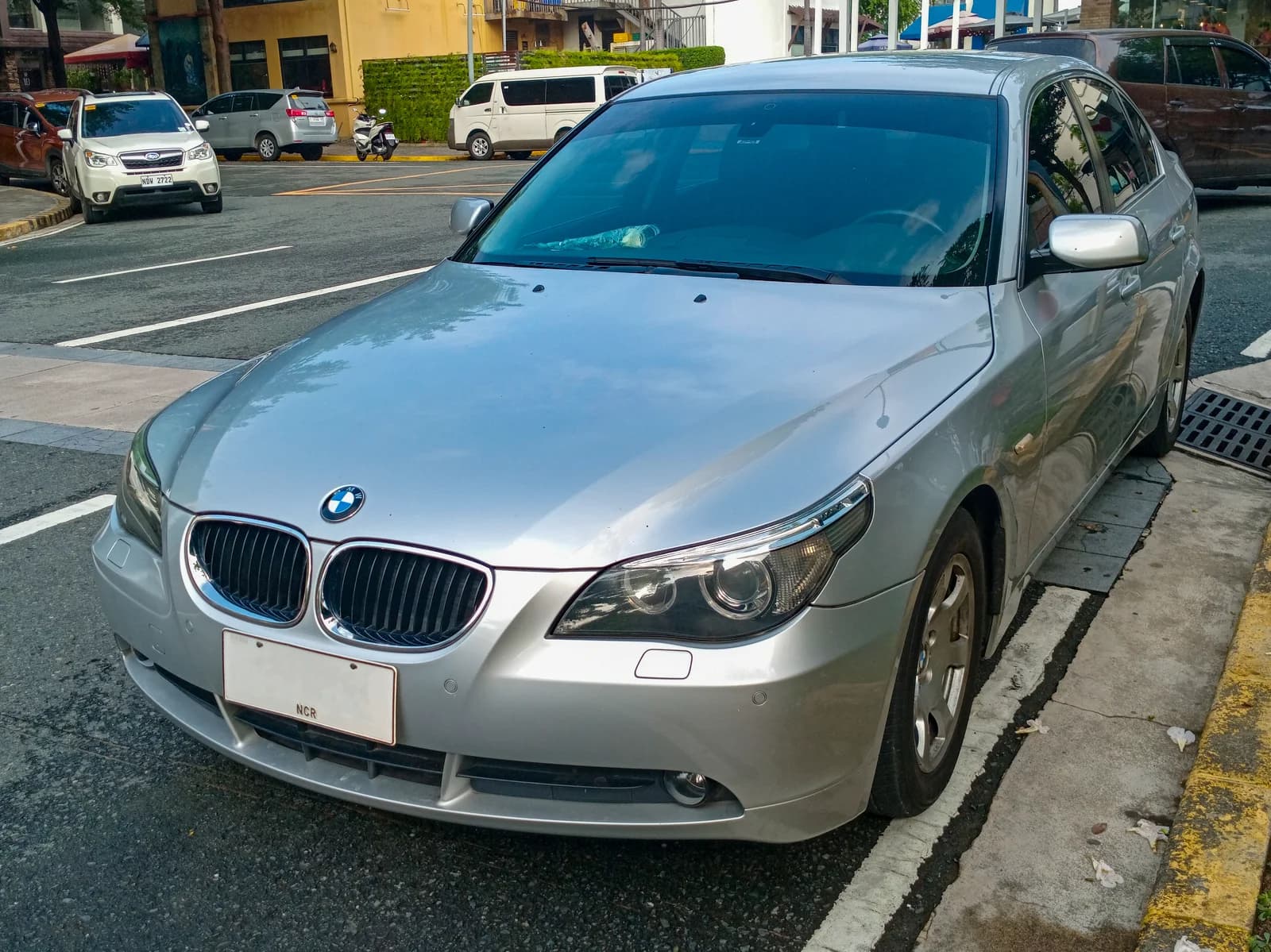
The BMW E60 is the fifth generation of the 5 Series, produced from 2003 to 2010. The model is remembered for Chris Bangle's design, controversial at launch, and a sharp jump in technology — the E60 is when the 5 Series widely adopted electronic throttle control, active steering, and a more complex iDrive system. Here's the generation broken down, including the most unconventional M5 in history — with a naturally aspirated V10.
History
The E60 replaced the E39 in 2003, with the wagon receiving its own chassis code, E61. Bangle's design sparked controversy among brand loyalists at launch, but sentiment softened considerably over time.
The BMW M5 E60 debuted in 2005 with an engine unique in M5 history — the naturally aspirated 5.0L V10 (S85), producing 507 hp with an 8,250 rpm redline. It was paired with a single-clutch automated manual (SMG) transmission — a controversial choice that's demanding to maintain.
E60/E61 production ended in 2010 with the transition to the F10/F11.
Engines
Petrol:
- N46 / N52 — four- and six-cylinder engines on 520i/523i/525i/530i.
- N53 / N54 — a new generation of six-cylinder engines; the N54 on the 535i was one of BMW's first mass-produced turbo engines — with twin turbochargers.
Diesel:
- M57 — inline-six, on 525d/530d/535d.
M5:
- S85 — naturally aspirated 5.0L V10, 507 hp, 8,250 rpm redline. The only V10 in M5 history, paired with the SMG automated manual.
Weak Points
- N54: high-pressure fuel pump (HPFP) and injectors. One of the generation's most notorious issues — the high-pressure pump and injectors can fail, showing up as power loss and engine fault codes. Well documented, but expensive to fix.
- Electric water pump and thermostat. This is the generation where BMW switched to electric water pumps — less durable than mechanical ones and requiring periodic replacement.
- VANOS solenoids (N52/N53). Wear out over time, causing unstable engine running.
- Electronics and battery drain. The increased complexity of onboard electronics (iDrive, numerous control units) can cause parasitic battery drain on older cars.
- S85 (M5): rod bearing wear. A serious, well-known issue — BMW issued technical service bulletins covering it. A rod bearing inspection is strongly recommended before buying an E60 M5.
- SMG transmission (M5). The single-clutch automated gearbox is demanding to maintain and expensive to repair.
- Electronic throttle bodies (M5). The S85 has seven individual throttle actuators, which can fail.
Fuel Consumption
| Engine | Model | Consumption, L/100km |
|---|---|---|
| N46/N52 (4/6-cyl) | 520i / 523i | ~9–10 |
| N52 (6-cyl) | 530i | ~10–11 |
| N54 (turbo) | 535i | ~11–12 |
| M57 (diesel) | 525d / 530d | ~7–8 |
| S85 | M5 | ~16–18 |
Owner Feedback
Bangle's design, controversial when the model launched, has aged into much warmer owner sentiment over time — many today call it bold and ahead of its time. The N54 is especially valued in the tuning community for its huge potential for forced-induction upgrades, but owners consistently warn that without proactive HPFP and injector maintenance, the engine can spring unpleasant surprises. The M5 (S85 V10) inspires near-cult devotion for its sound and character, while also being considered one of the most expensive M5s in history to maintain — the typical forum advice is: "buy the cheapest example with the best service history, and budget immediately for rod bearings and the SMG transmission."
Photos
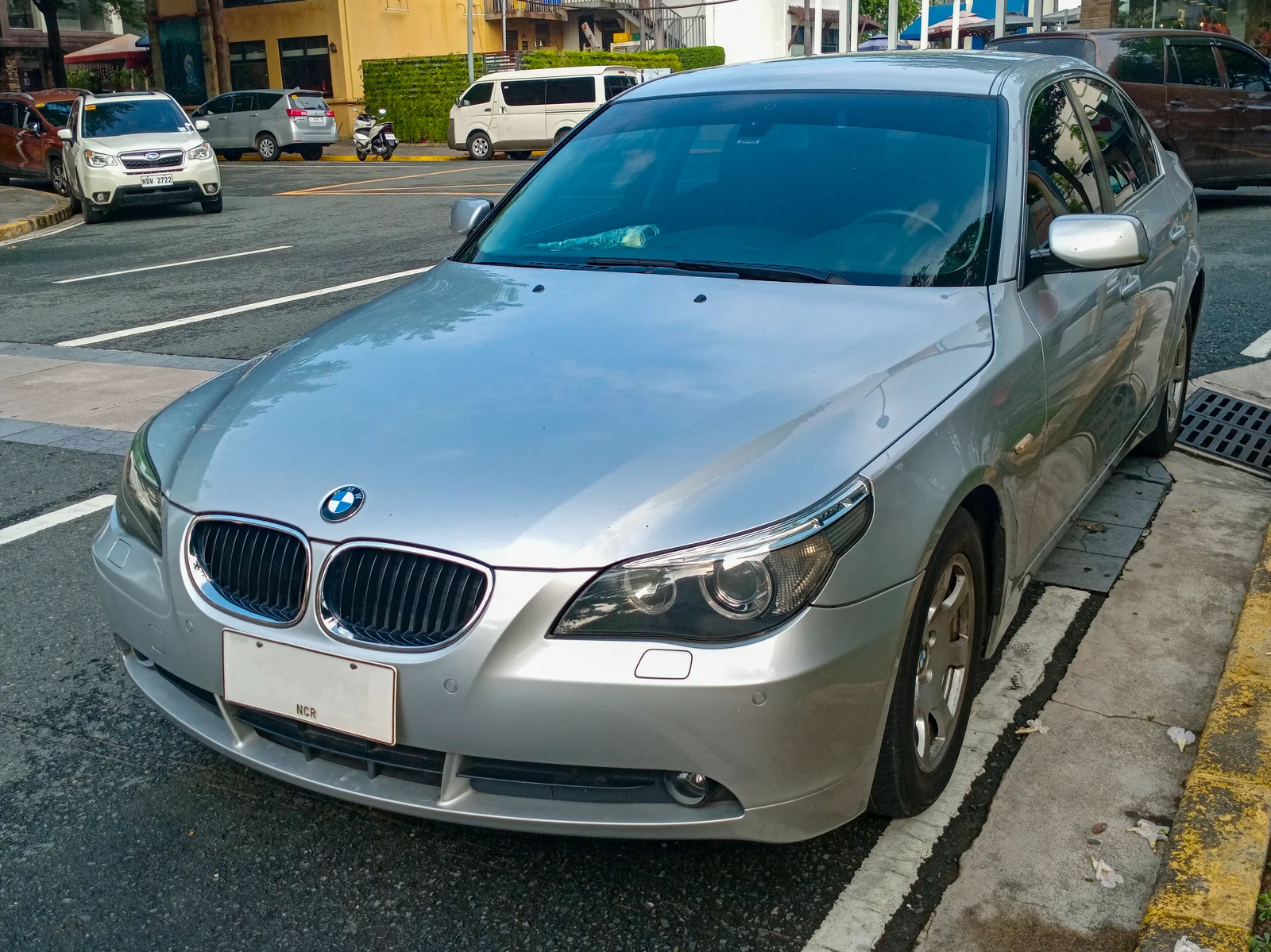
Photo: Wikimedia Commons (CC BY-SA 4.0).
Other models
Found your model?
Join the club